
A translation by Judith Turcotte.
Some of the St. Lawrence River’s algae, including the knotty Ascophyllum known as the black seaweed are harvested by the ton and dried before being transformed into a powder which becomes a fertilizer for the farmers. This market has existed for about fifteen years in Québec while the use of algae as fertilizer in Europe has existed for centuries. Our algae are now exported as fertilizer in about ten countries for the culture of sugar cane, citrus fruit, coffee, rice and cocoa.
The algae are also used as a nutritional source for our pets, in breeding cows and pigs and to feed the fish in our aquariums. The use of algae in livestock farming has the advantage of replacing cereals suitable for human consumption which are often used to feed herds. These algae are added to the regular food as a complement and they are used for their minerals and vitamins.
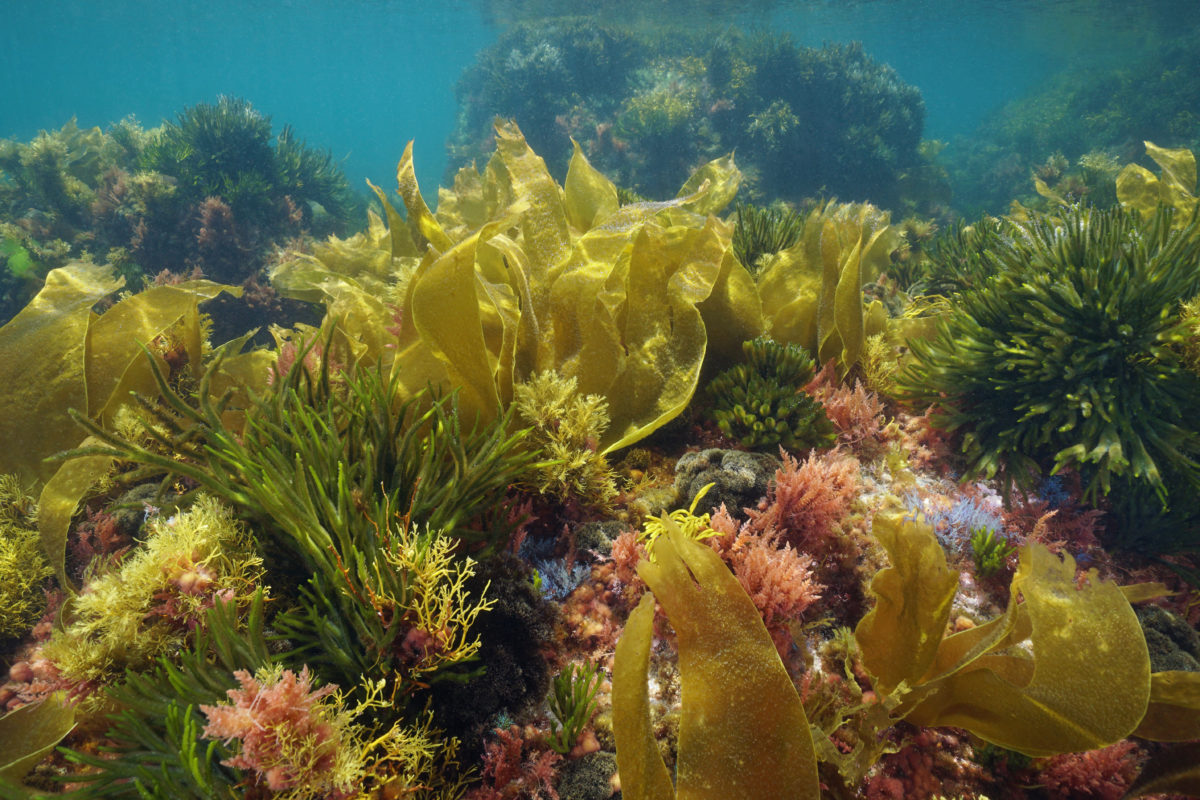
The algae can also be used in the making of cosmetics. They are rich in nutrient minerals and vitamins; they are easily assimilated by the body. They are used in the making of a cream for skin hydration and elasticity. They can even be used in the treatment of acne. It is possible to obtain these creams at the pharmacy under the brand of Lise Watier among others.
There exist research projects that target the potential use of algae in several other areas. Research in the use of algae as an alternative solution to fossil resources surprised me. Algae can grow much faster than traditional crops. They can therefore be grown with a lower carbon footprint and in zones that are not suitable for traditional farming.
I already mentioned the use of algae as a nutritional supplement and in the cosmetic industry but they can also be transformed into biofuels such as biodiesel, bioethanol and biogas. If we can do it with corn, why not algae?
Materials with an algae base present interesting characteristic for the packaging industry. They are biodegradable and do not release chemicals when they decompose in nature. Many research projects go as far as developing edible packaging made from algae. This research is made in Europe.
In Québec, research focuses on the development of seaweed farming and in the management of environmental issues related to algae in freshwater. We are far from what is happening in Europe but, no doubt, the exploitation of algae presents an interesting business potential.
Very interesting post!!Great that Quebec companies like “Watier”cosmetics are mentionned. About 40 years ago some equestrian trainers were feeding algae powder to horses.Sooo much potential to discover!!
Fascinating essay Michel.
Thanks for this information