
A translation by Judith Turcotte.
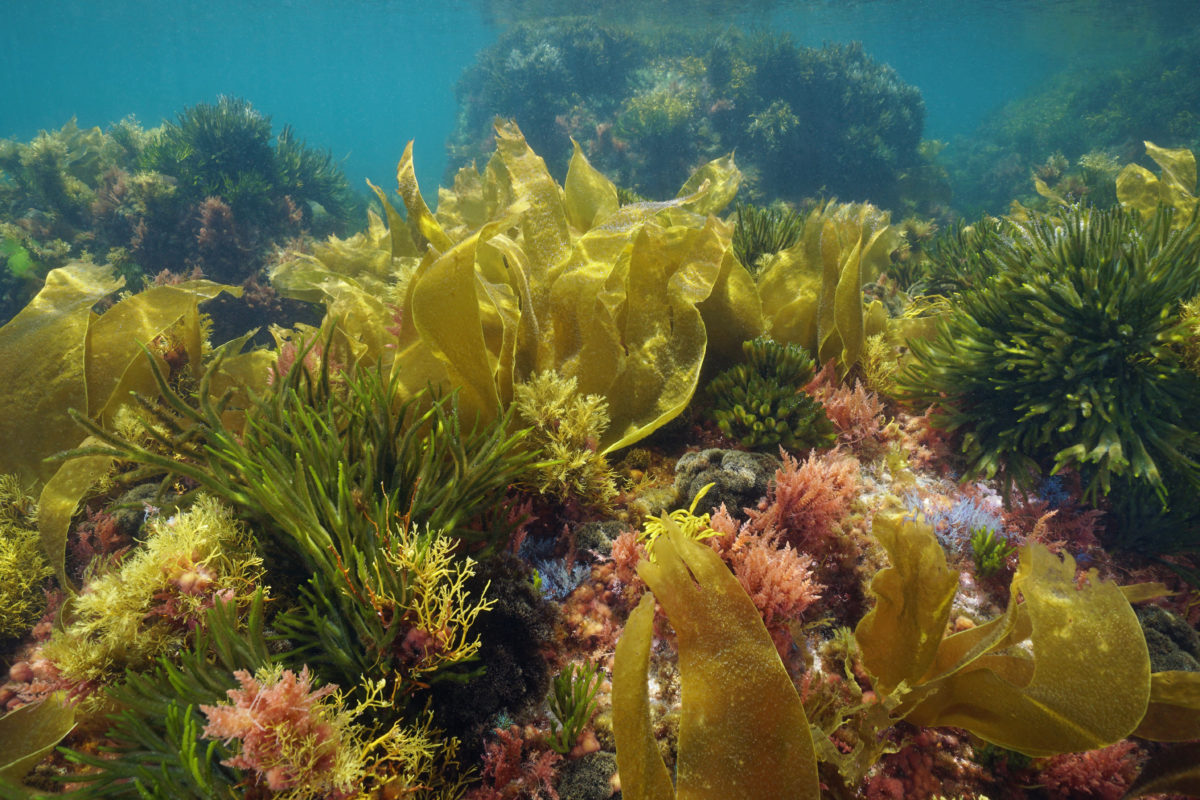
When we think of the St. Lawrence River, we first think of its beauty and then of the indigenous species that live there. Rarely do we think of the aquatic plants that grow there except when they wash ashore or that they tickle our legs when we go swimming. There exist more than 1300 species of aquatic plants in the river. These plants filter the water, stabilize the sediments, reduce erosion and provide a habitat for aquatic wildlife. They are little known to Quebeckers, myself included. The aquatic plants of the St. Lawrence River, however, represent a natural resource unexploited here contrary to other countries where they are part of the local gastronomy and represent a product for exportation. Some of the aquatic plants possess interesting attributes; they can be used in food as Nori algae for sushi, as compost in agriculture and as commodities for cosmetics.
If many aquatic plants deserve to be known and commercialized, others are harmful. A good example is the Eurasian water milfoil, an invasive plant that has become a nuisance for diversity and the environment. Another, even more disturbing, is the blue-green algae. Who has not heard of this alga that regularly makes the headlines and for good reason? The blue-green algae are cyanobacteria that form foam on the surface of the water in summer. Swimming and the consumption of water contaminated by these bacteria result in gastroenteritis, skin irritations and damage to the liver or to the nervous system. I can see again the photo in the newspapers of people, discouraged, who are looking at the water contaminated by the algae in front of their chalet.
Many aquatic plants of the St. Lawrence should be considered as vegetables because many are edible. Several small Québec companies try to commercialize these products but with limited success. These products are not part of the consumers’ grocery list. The numerous televised cooking shows would have to make an effort. A Ricardo would be far more useful and credible in making us aware of edible algae rather than trying to show us how to build our schools.
The subject of the aquatic plants of the St. Lawrence River is fertile ground for my next blogs. I envision a blog on comestible plants and where to find them, another on harmful plants and efforts to get rid of them, not forgetting the marine microscopic fungi that could help us treat infections in humans.